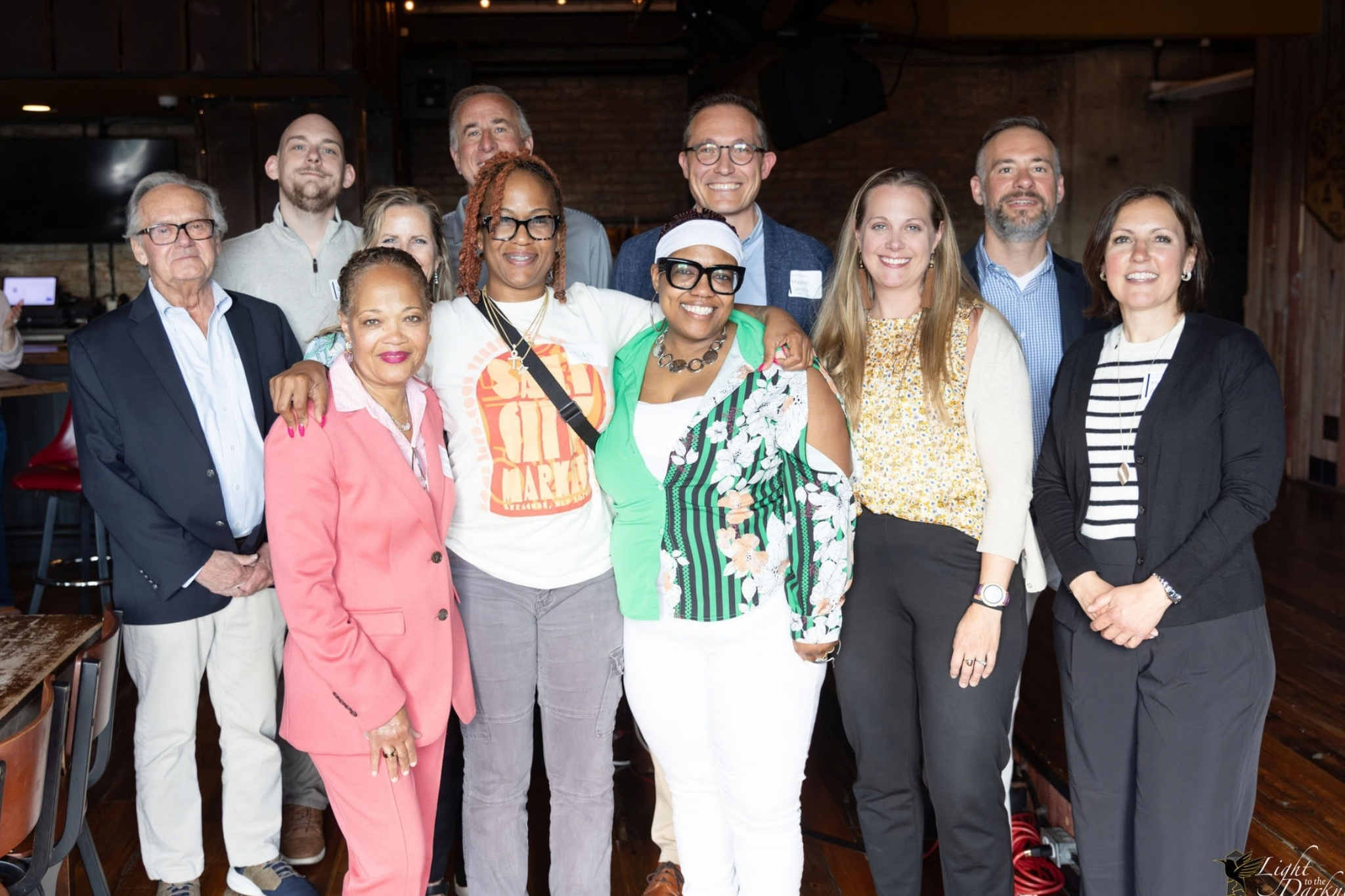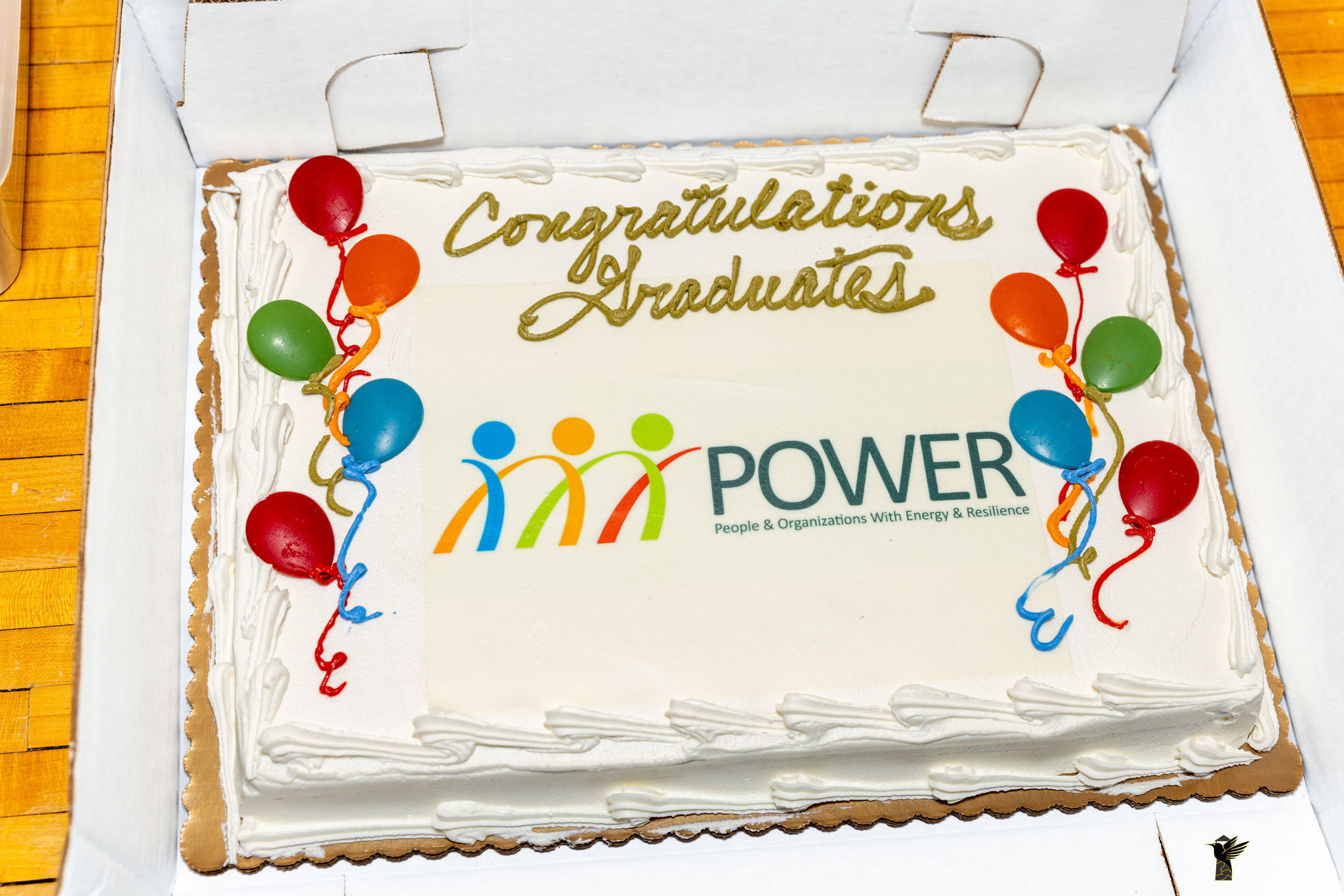
On June 16, 2026 the upstairs event space at Dinosaur Bar-B-Que was filled with good food, conversation, and most importantly, a sense of accomplishment as The Gifford Foundation celebrated its latest POWER cohort for successfully completing the 12-month capacity-building program.
People & Organizations with Energy & Resilience strengthens grassroots and developing nonprofits by helping them build the systems, structures, and capacity they need to grow and sustain their work. Led by Maria Fibiger of Three Dog Consulting, the program uses the Nonprofit Lifecycles framework to help organizations identify the challenges and opportunities most important to their growth. Each organization receives tailored consulting, peer learning opportunities, and a $7,500 capacity-building grant, for a total investment of $15,000 from Gifford.
Following opening remarks and introductions from Gifford Foundation Assistant Director Lindsay McClung, Fibiger offered a look back at the cohort’s year of work. Using the “legs of the table” from the Nonprofit Lifecycles model, she reflected on the progress each organization had made in strengthening the elements that support a healthy, sustainable nonprofit: governance, management, business model, and administrative systems.
Each organization took the floor to share their experience of the program.
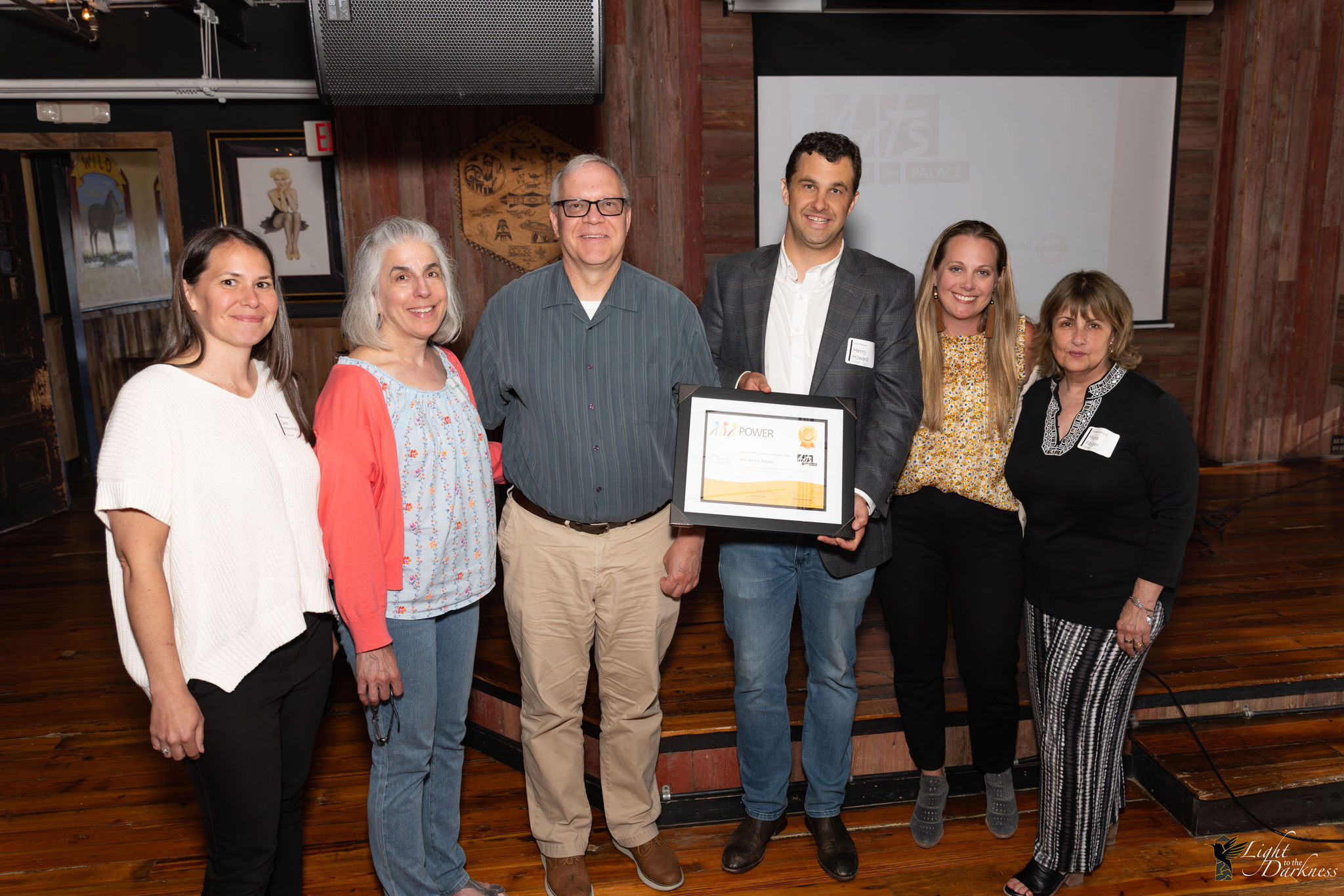
For Arts At The Palace, Executive Director Henry Howard described how the Lifecycles framework gave the organization a shared language for understanding where it stood. The work plan developed with the consultant gave the team something equally valuable—a clear way to look ahead.
“We were able to identify our core competencies,” Howard explained. Rather than focusing primarily on how to attract an audience, the organization shifted its thinking toward a deeper purpose: How can we empower local artists and creative leaders in our community?
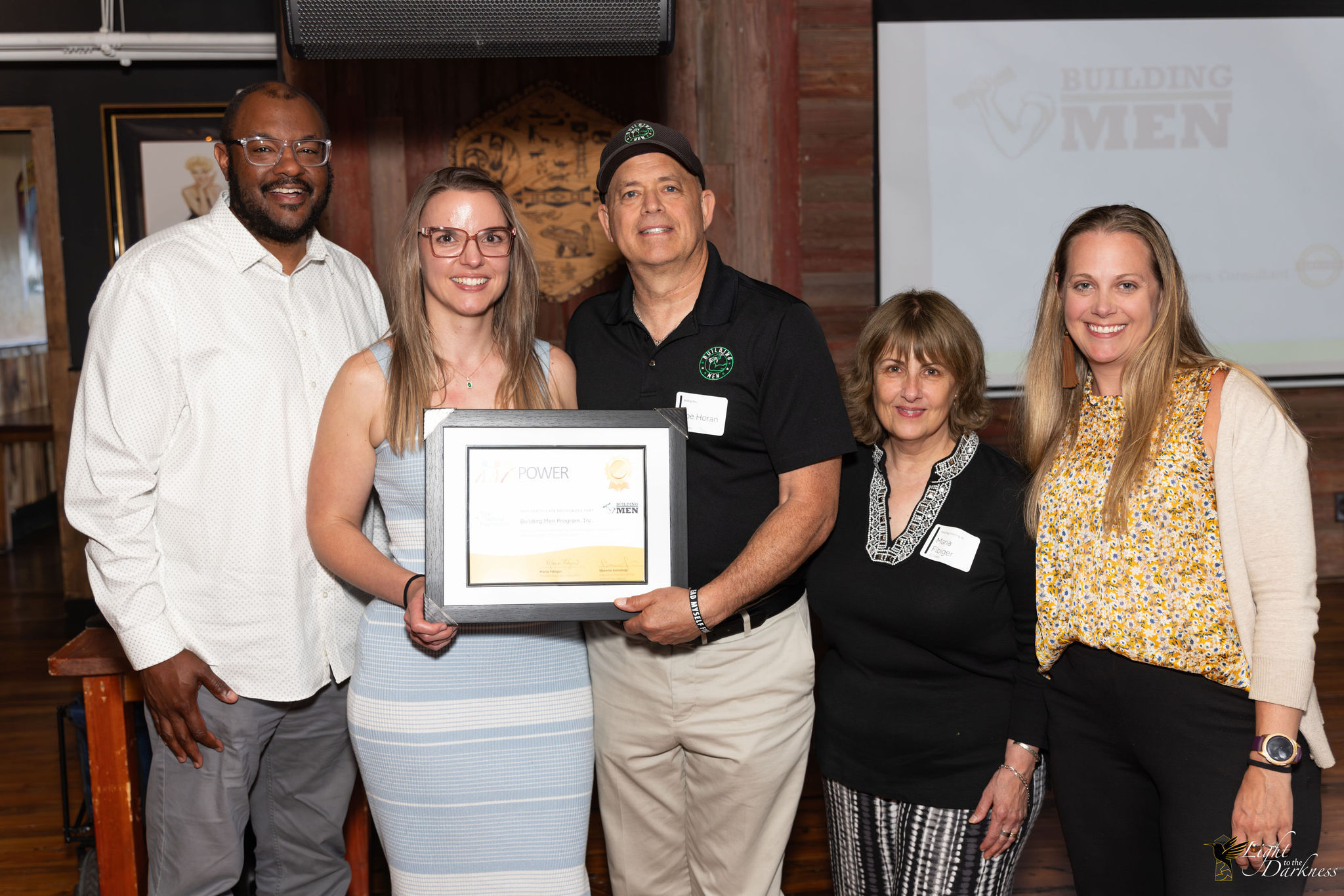
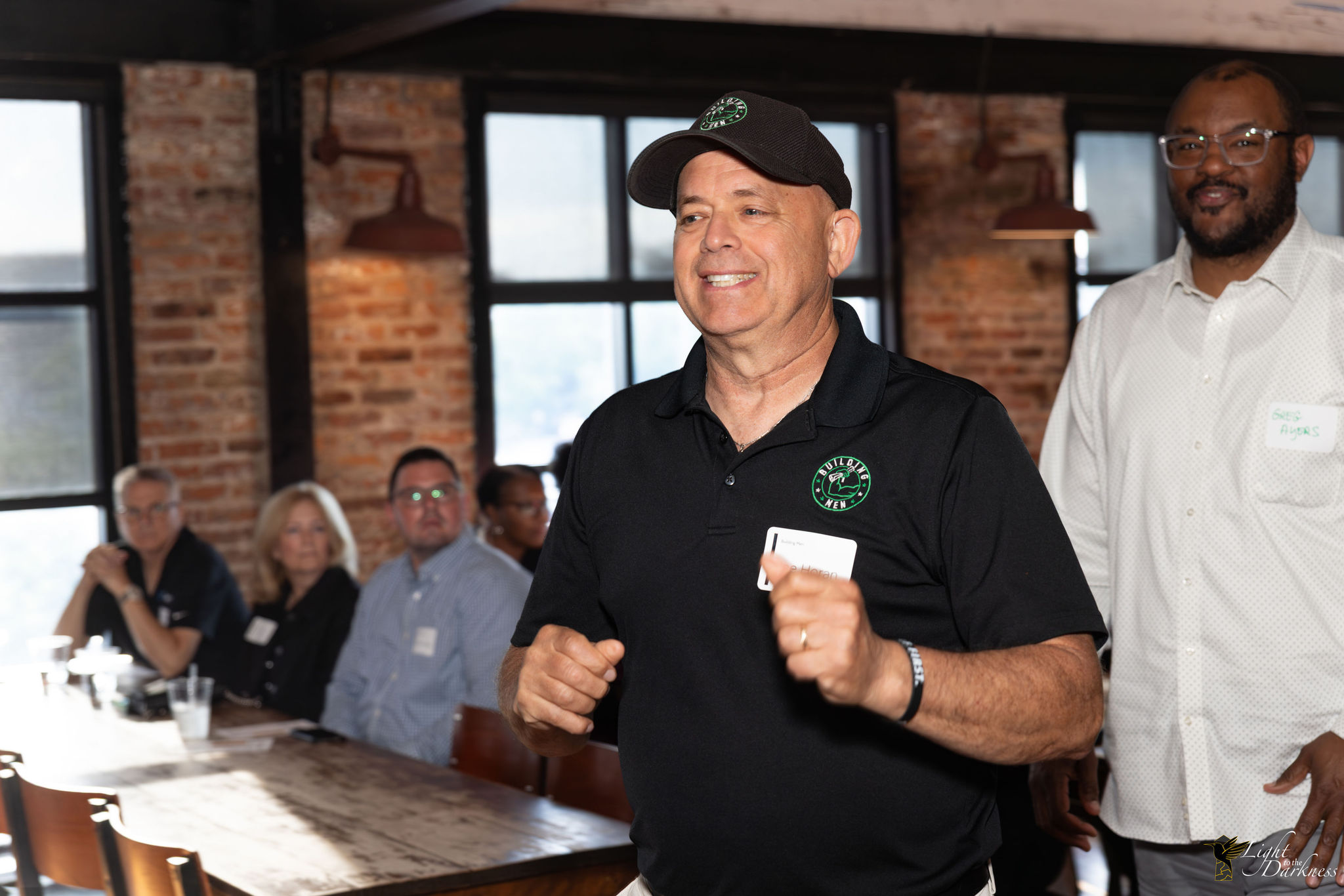
For the Building Men Program, the work centered on sustainability and ensuring the organization’s knowledge and leadership did not rest solely with Executive Director Joe Horan. Horan, who had wanted to participate in POWER for years, said his biggest takeaway was putting systems in place and creating avenues for institutional knowledge to be shared with the board.
It was, in essence, the “what if you get hit by a bus?” conversation, a difficult but essential question for any organization built around the passion and knowledge of one individual. Now, Horan is working on a succession plan.
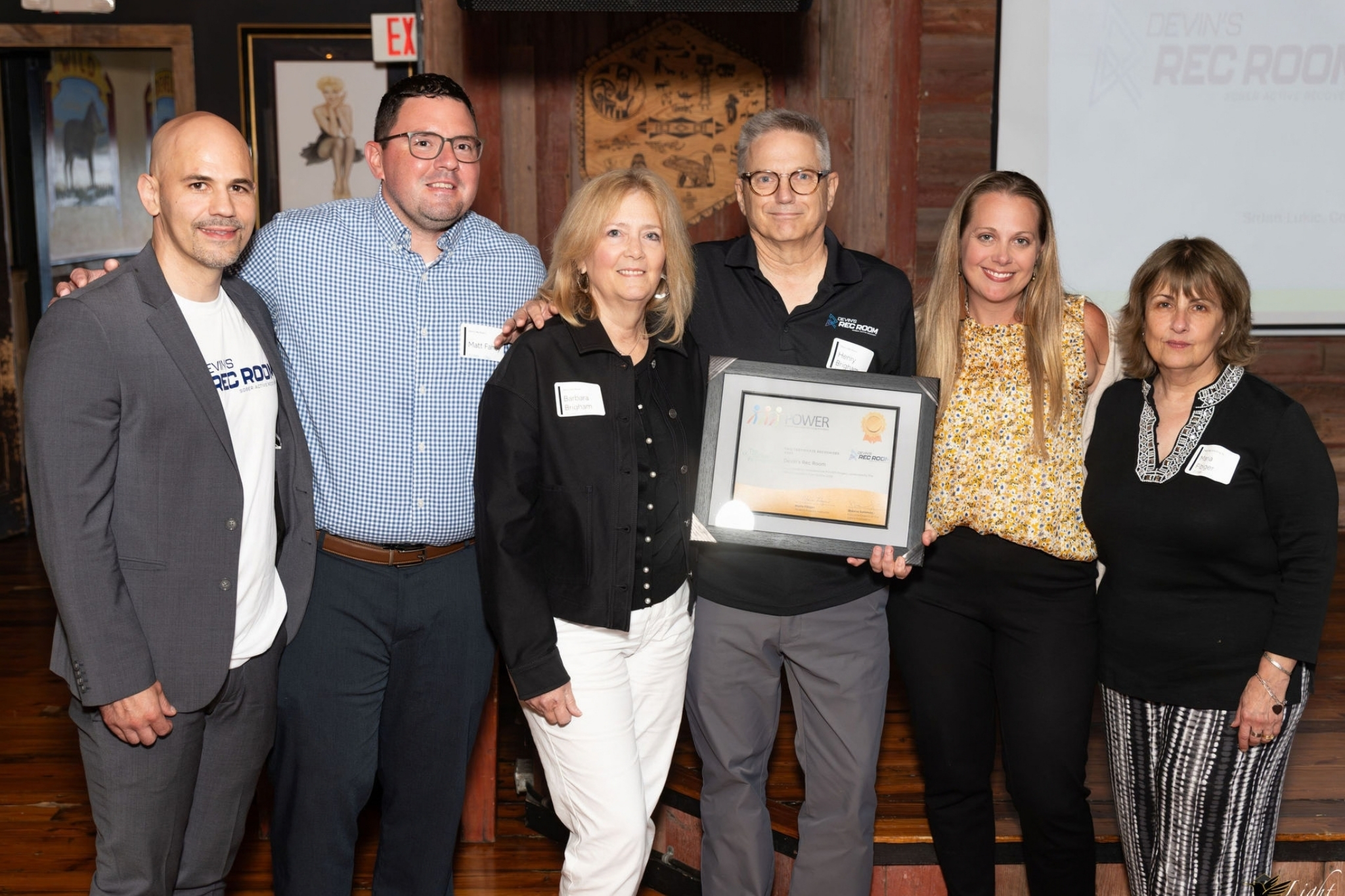
At Devin’s Rec Room, Executive Director Henry Brigham spoke about entering POWER with some apprehension. The grassroots organization had operated for only about a year, but the need for its work was already enormous. Devin’s Rec Room offers people the opportunity to be welcomed into its gym and wellness spaces with just 48 hours of sobriety, creating a supportive environment for recovery from substance use through fitness and community. The organization had grown to 300 members in less than a year.
POWER helped Devin’s step back from that rapid growth and focus on what it would take to build for the long term. With help from their POWER consultant, Devin’s worked on diversifying its funding beyond a primary grant, created a 2025 Impact Report for donors and stakeholders, began working with a volunteer grant writer, and strengthened its board.
Just as importantly, Brigham talked about the relationships formed within the POWER cohort. He shared that knowing other nonprofit leaders were navigating many of the same challenges created a sense of support and connection.
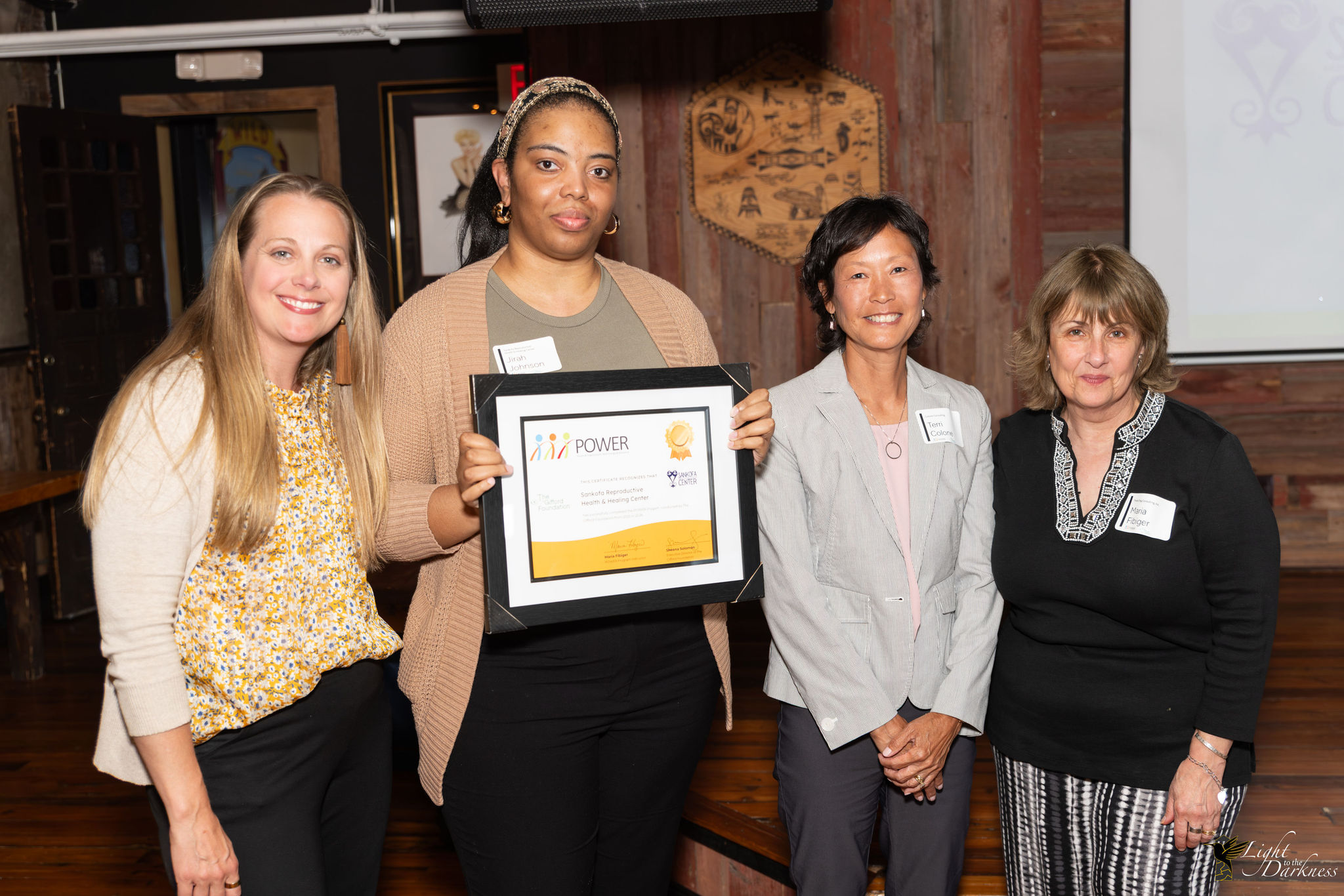
For Sankofa Reproductive Health & Healing Center, the POWER process led to perhaps one of the most important outcomes a capacity-building program can produce: the confidence to pause.
Board member Gyra spoke candidly about the organization’s mission and the importance of its work in the Syracuse community, while also acknowledging the need to have honest conversations about capacity and what could realistically be accomplished with the resources available.
That reflection led Sankofa to step back and scale its work, creating a stronger foundation for future growth.
Fibiger applauded that decision. “It’s about creating a culture of planning,” she said.
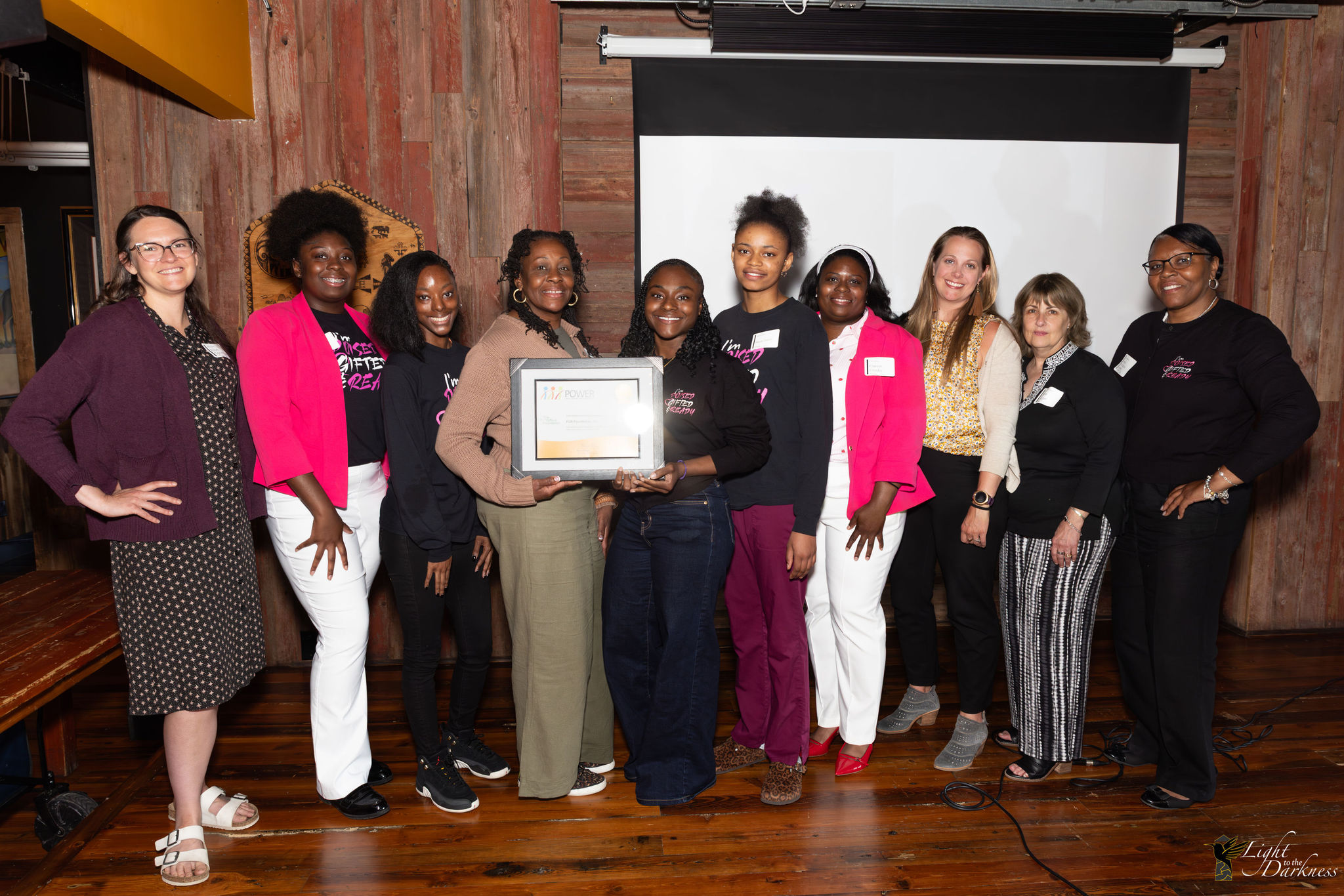
PGR Foundation closed out the reflections with a strong contingent of board members and program alumni. Board member Clarice highlighted the relationships POWER helped the organization build with other nonprofits.
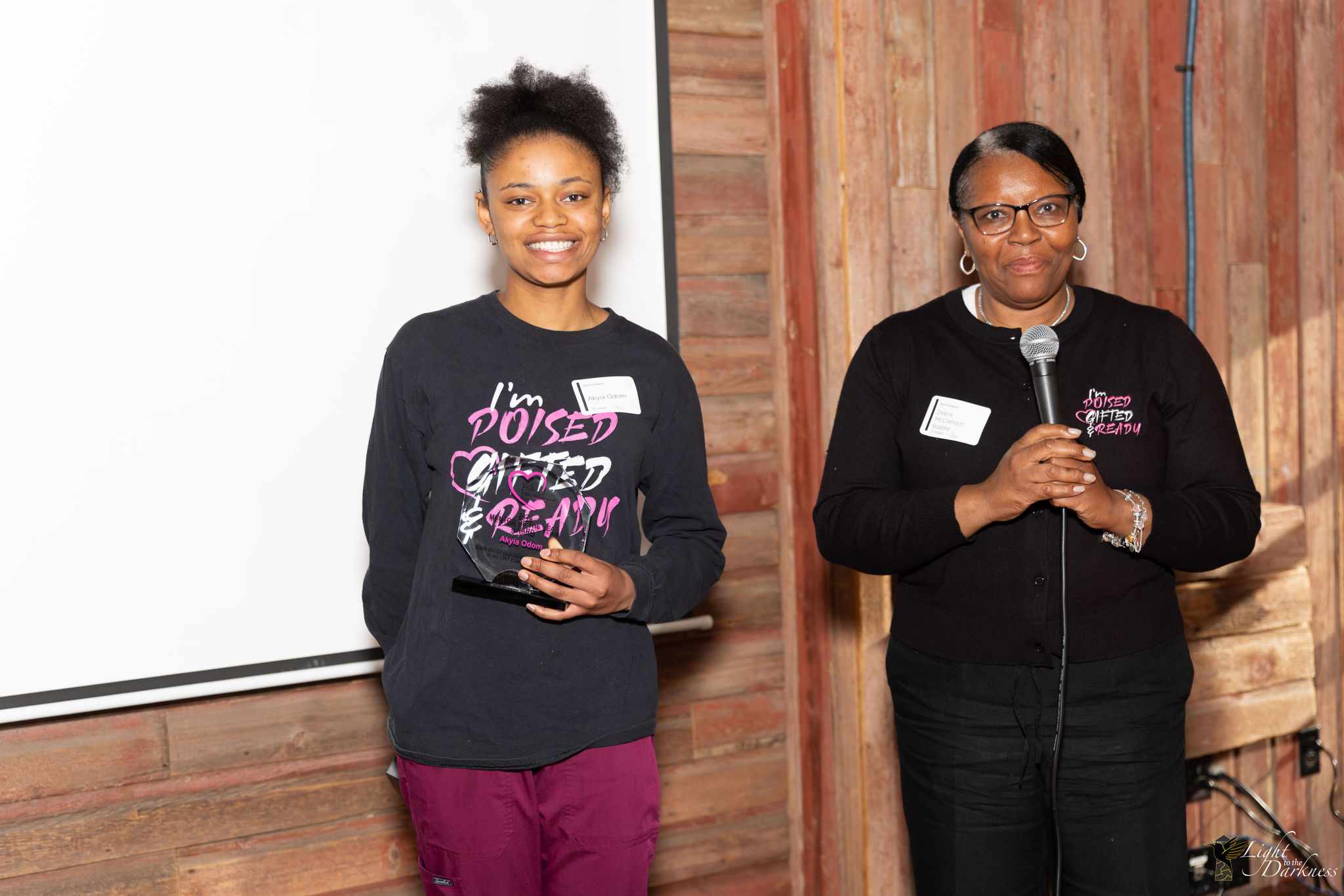
PGR also reminded everyone why organizational sustainability matters. Founder and Director Debra Maclendon has led the organization for 15 years. Gifford provided PGR with its first dollars in 2012, when the program served just five girls. Today, PGR has a deeply engaged alumni community, with former participants continuing to succeed and give back to the organization.
Maclendon is now working on succession planning, another difficult but necessary step to ensure an organization’s impact can continue beyond its founder’s tenure.
All of the organizations celebrated at the event are providing services critical to their communities, and strong missions need strong organizations behind them. The POWER program gives them the time, tools, expertise, and peer support to build that strength.
To learn more about POWER, visit giffordfoundation.org/support/power.