Guiding Growth:
How Embracing Disruption Helped Four Nonprofits Find Their Way Forward
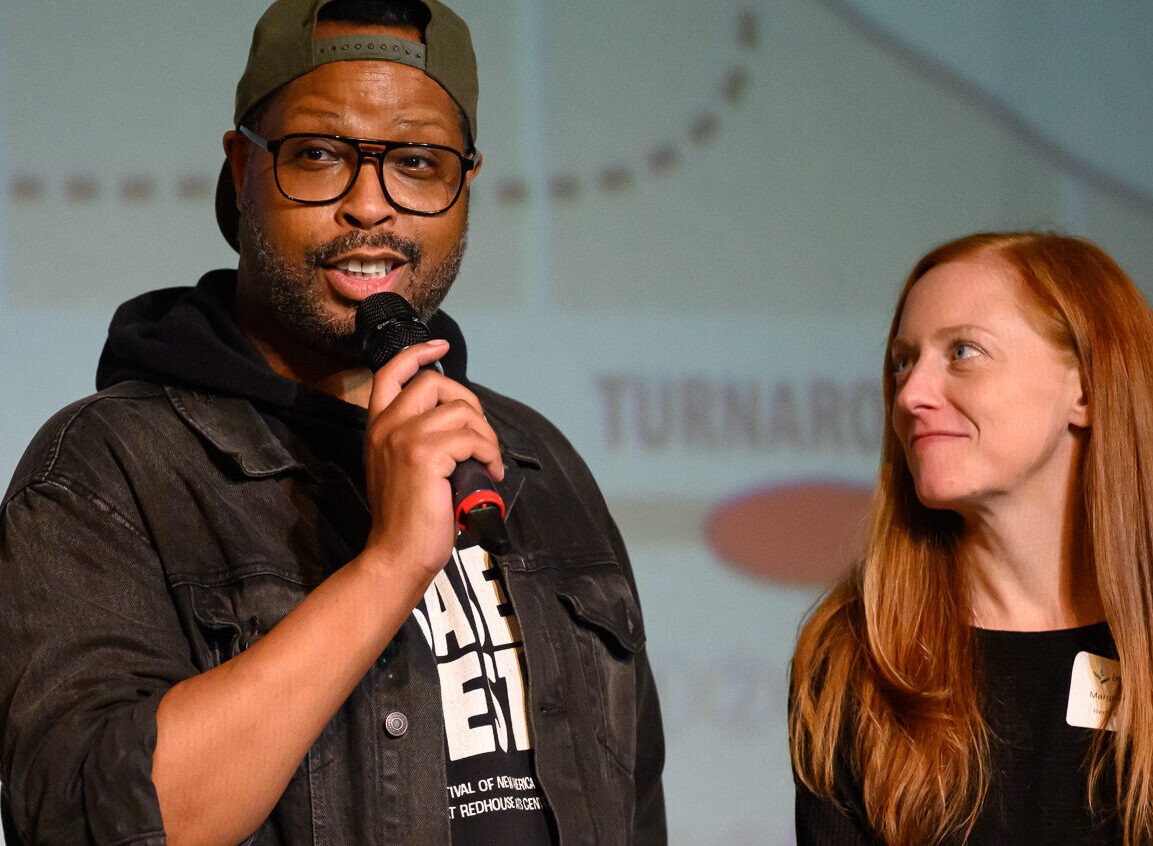
Temar Underwood (Artistic Director) and Marguerite Mitchell (Director of Education), Redhouse Arts Center
Nonprofit organizations are no strangers to disruption. Shifting community needs, staffing shortages, funding uncertainty, board turnover, and growing demand for services can stretch even the strongest organizations. The Gifford Foundation’s Embracing Disruption program was designed to address weaknesses and build on strengths within an organization’s operating structure, and to improve its capacity to absorb the impact of unexpected challenges.
Meeting monthly as a cohort to learn about the Nonprofit LifeCycles evaluation tool, and more frequently with a designated nonprofit consultant, each organization assesses its organizational health and develops targeted action plans to address persistent challenges and capitalize on opportunities.
Now completing its most recent cohort, Embracing Disruption has once again demonstrated the power of pairing rigorous assessment with trusted consulting relationships. Four participating organizations—Erie Canal Museum, Redhouse Arts Center, Salt City Harvest Farm, and Syracuse Habitat for Humanity—entered the program at very different stages of organizational life. What united them was a shared willingness to take a hard look at their internal capacity, confront difficult questions, and invest in long-term sustainability.
Honest Reflection = Stronger Systems
One of the main pillars of Embracing Disruption is the understanding that growth and strain often happen simultaneously. The Nonprofit Lifecycles Institute framework helps organizations assess their mission and programs based on the health of four key operational areas—management, governance, business model, and administrative systems.
Through structured assessments, facilitated conversations, and dedicated time with experienced consultants, participating organizations gain an impartial, organization-wide snapshot of strengths and vulnerabilities, along with professional support in developing a roadmap for improvement.
Participant Progress
For the Erie Canal Museum, the program arrived at a critical turning point. Demand for programming was increasing, but internal systems and governance structures had not yet caught up. Leadership described entering the program with administrative systems in need of updating.
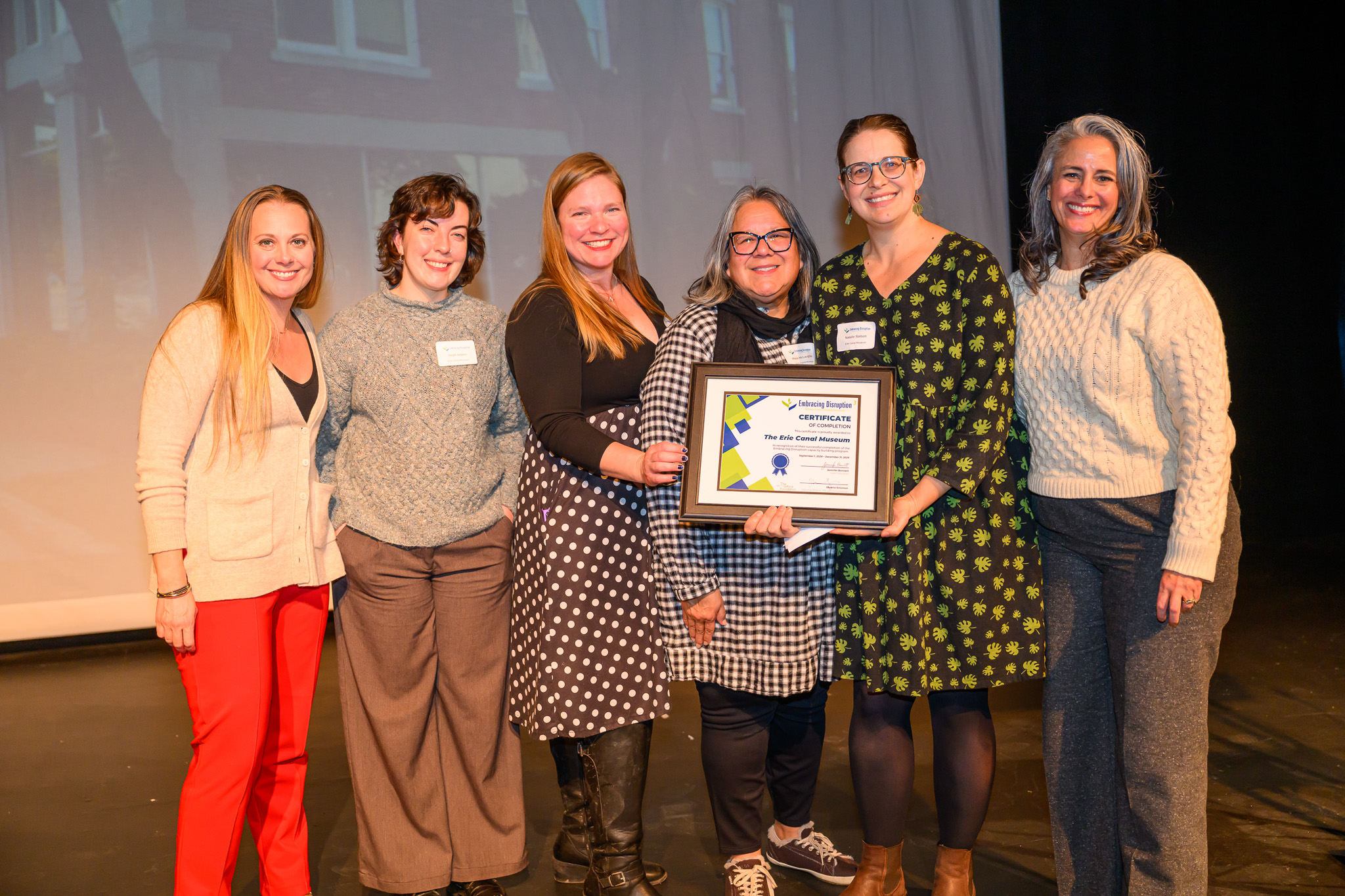
The assessment process brought clarity to their collection cataloguing inefficiencies and prompted the necessary investment in an updated collection database management system. Erie is now moving into the new year with clearer priorities, stronger systems, and a renewed sense of momentum.
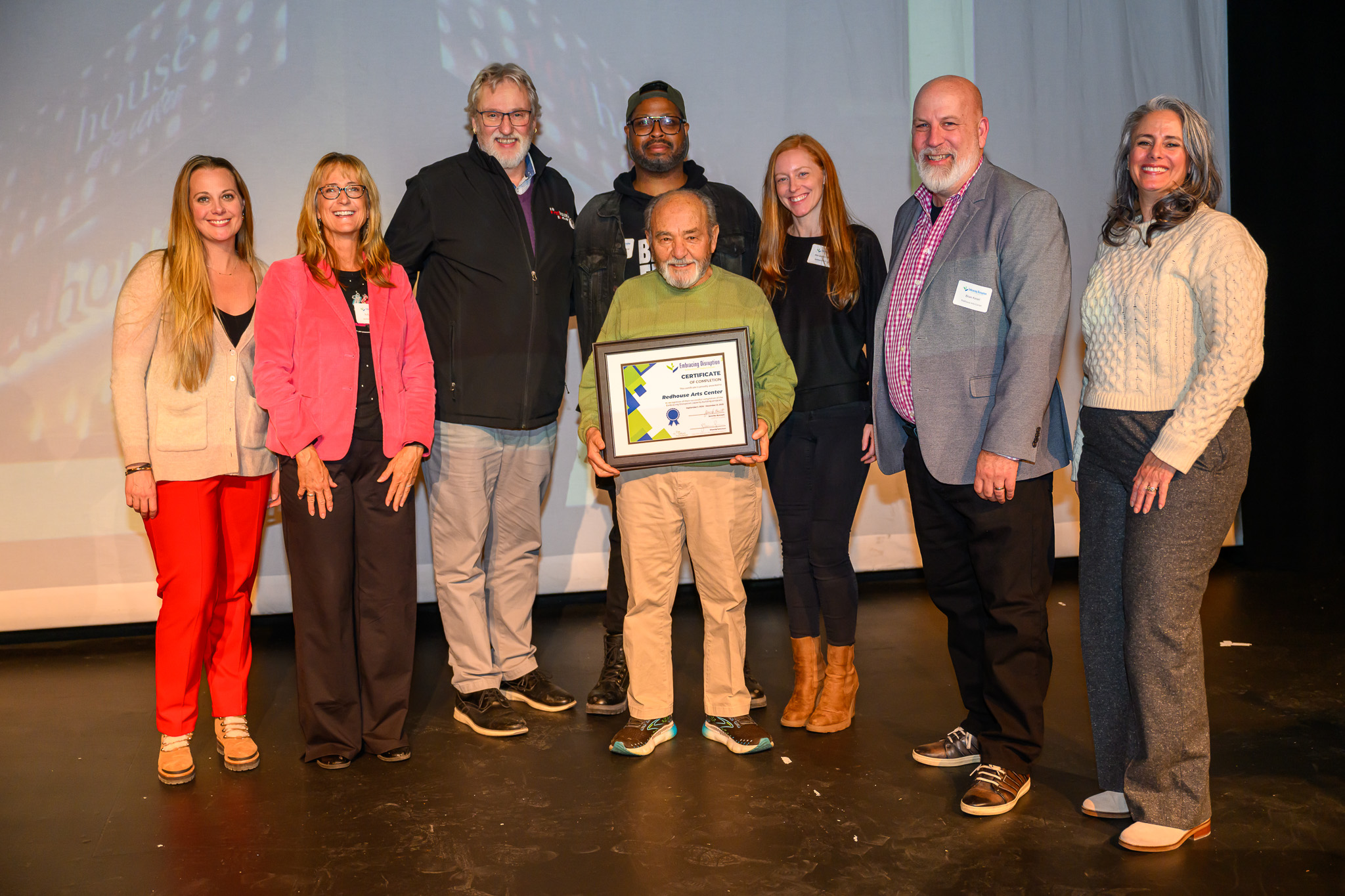
For Redhouse Arts Center, Embracing Disruption created space to step back from hectic day-to-day operations and engage in deeper organizational reflection. With an impartial consultant facilitating difficult discussions on structural strain and staffing challenges, leadership and board members were
able to come together on potential solutions and next steps. They were also able to set and stick to progress timelines, including the installation of a moveable lighting grid, which has allowed them to make use of their entire theatre space. Redhouse staff and board members involved in the process described the experience as grounding and affirming, providing both validation for the things they are doing well and a framework for making decisions about what comes next.
Salt City Harvest Farm entered the program during a time of staff and board transition and many unknowns with regard to their land tenure. While its programs were making a growing impact in the community, the organization recognized the need to strengthen governance, clarify
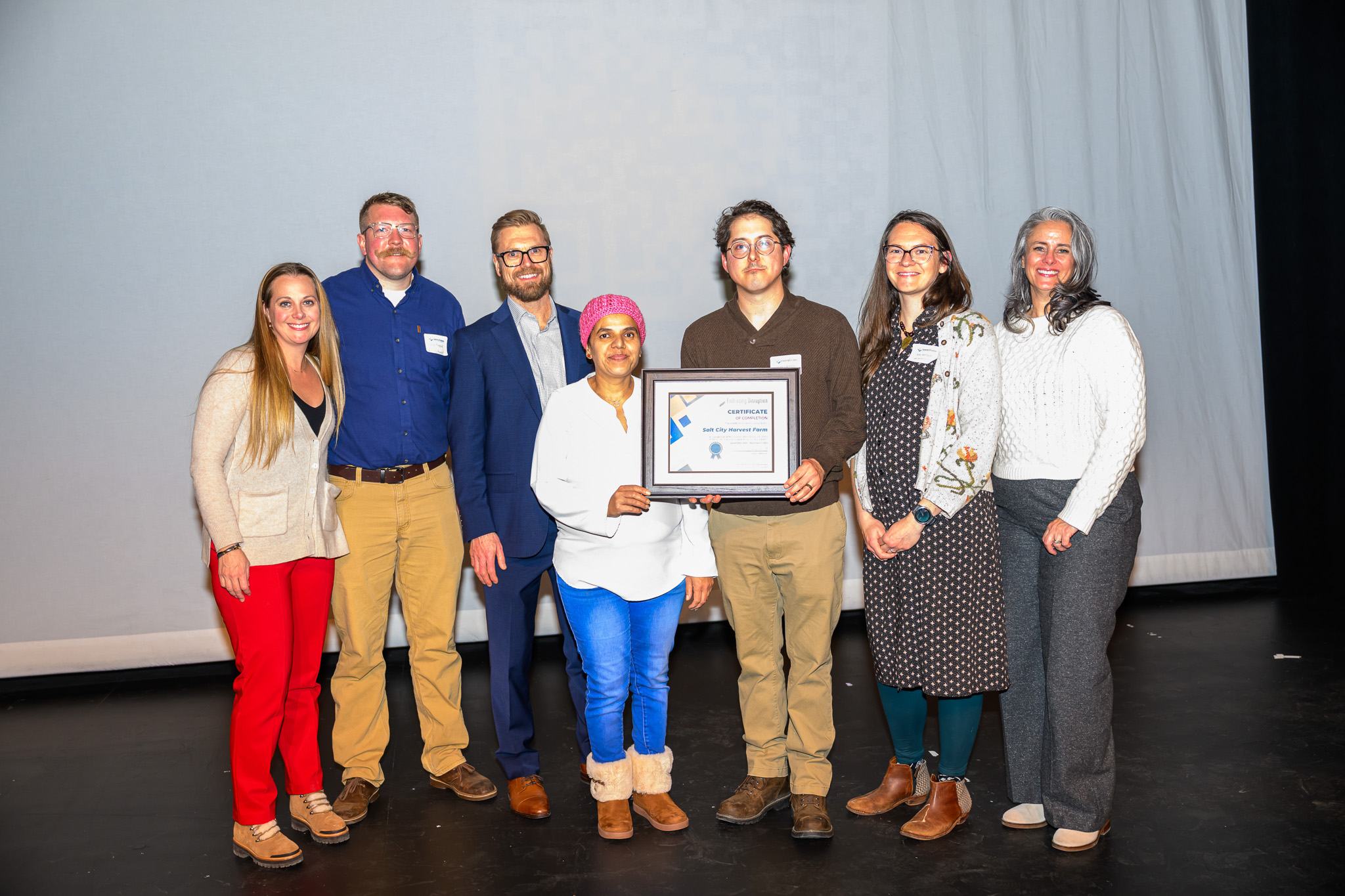
its mission and business model, and formalize internal systems. Through the program, Salt City made major strides in these areas, including the creation of defined board committees and clear standard operating procedures for program implementation.
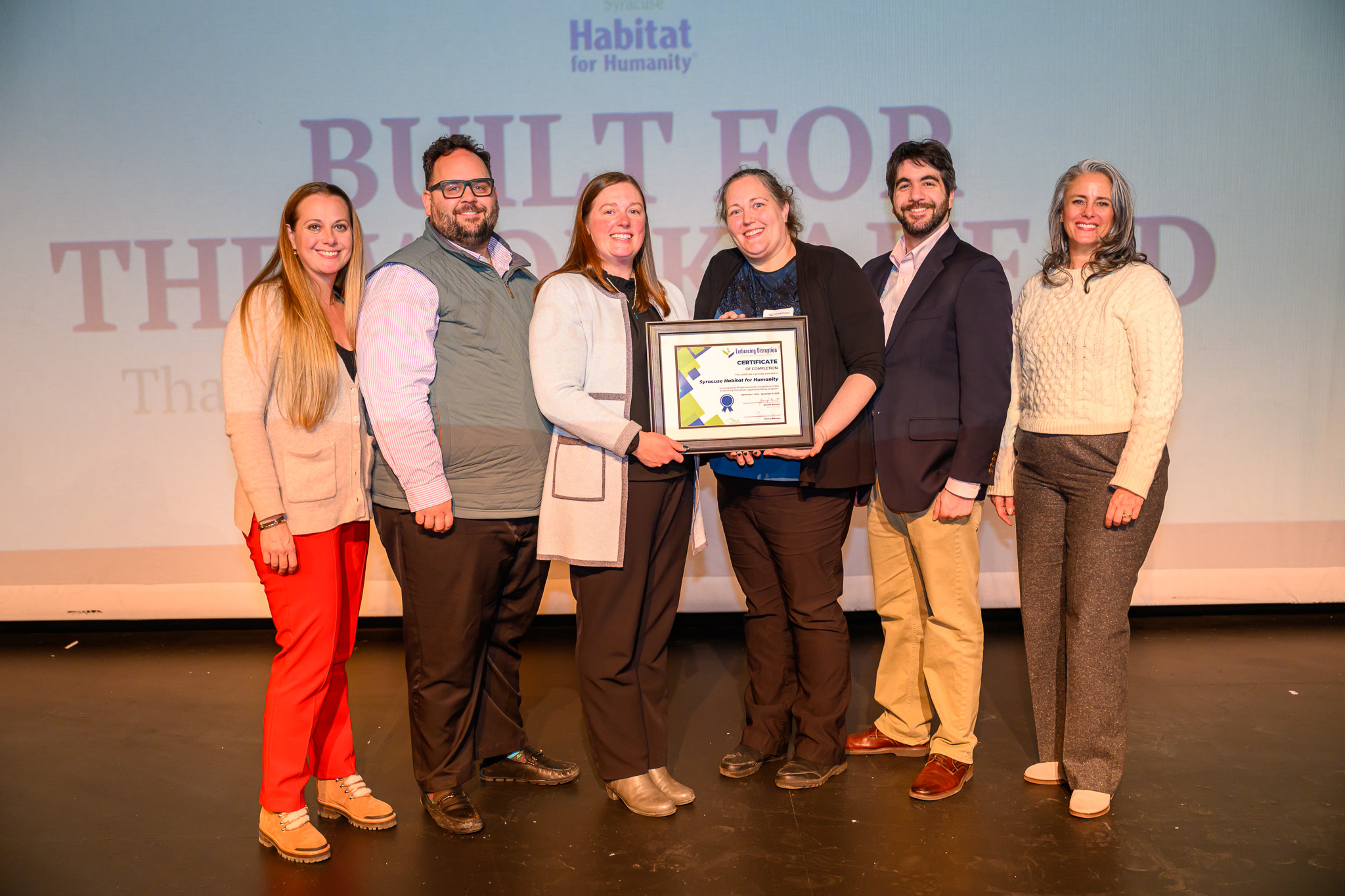
For Syracuse Habitat for Humanity, the program marked a transition from stabilization to scaled growth. With rising demand for affordable housing and a desire to expand production, Habitat faced the challenge of aligning its leadership structure, board governance, and administrative systems with its ambitions.
Embracing Disruption helped facilitate discussions that led to clarifying staffing needs, filling key operational roles, modernizing systems, and strengthening board capacity—freeing senior leadership to focus on strategy and fundraising.
Embracing The Value Proposition
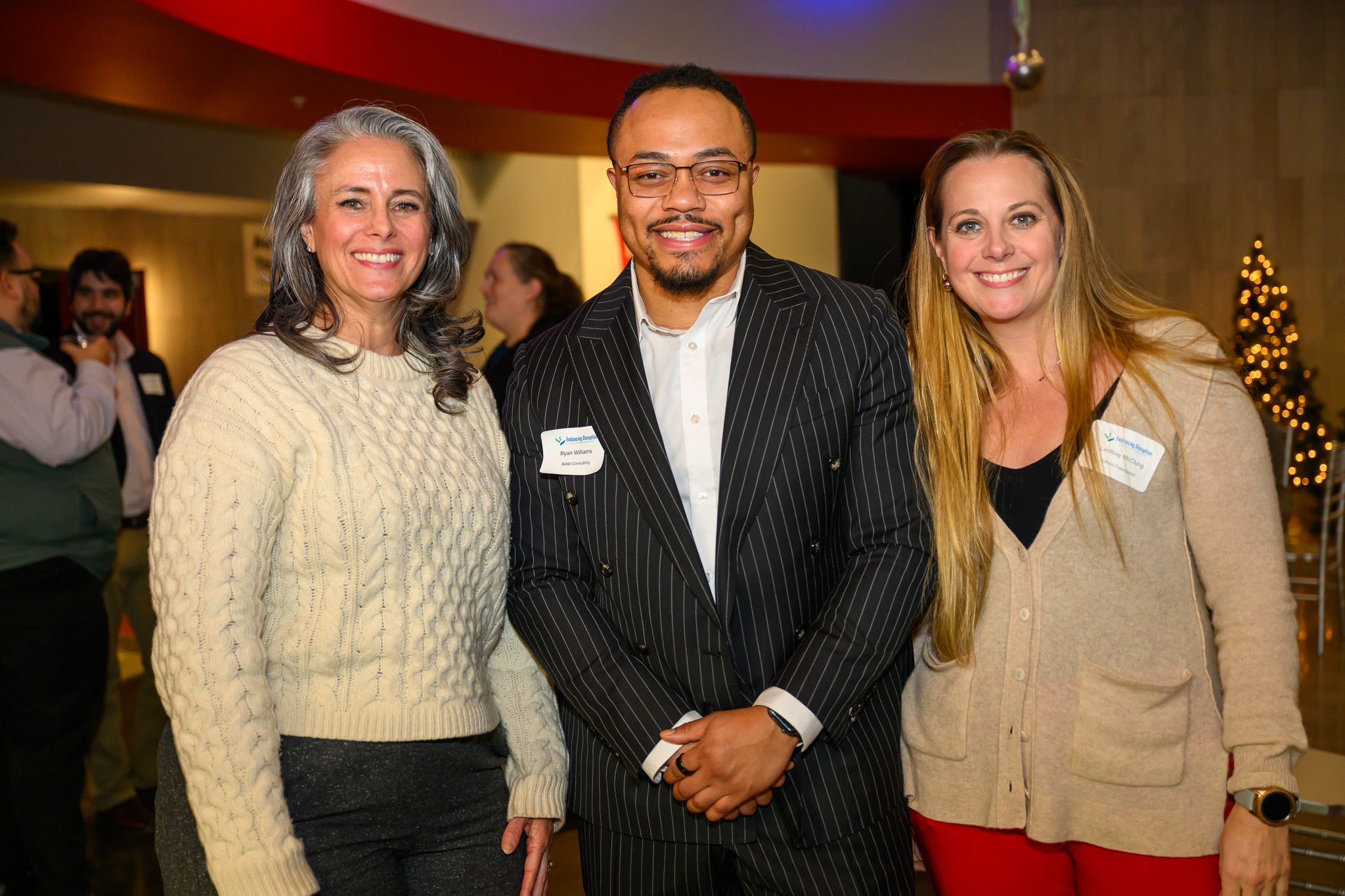
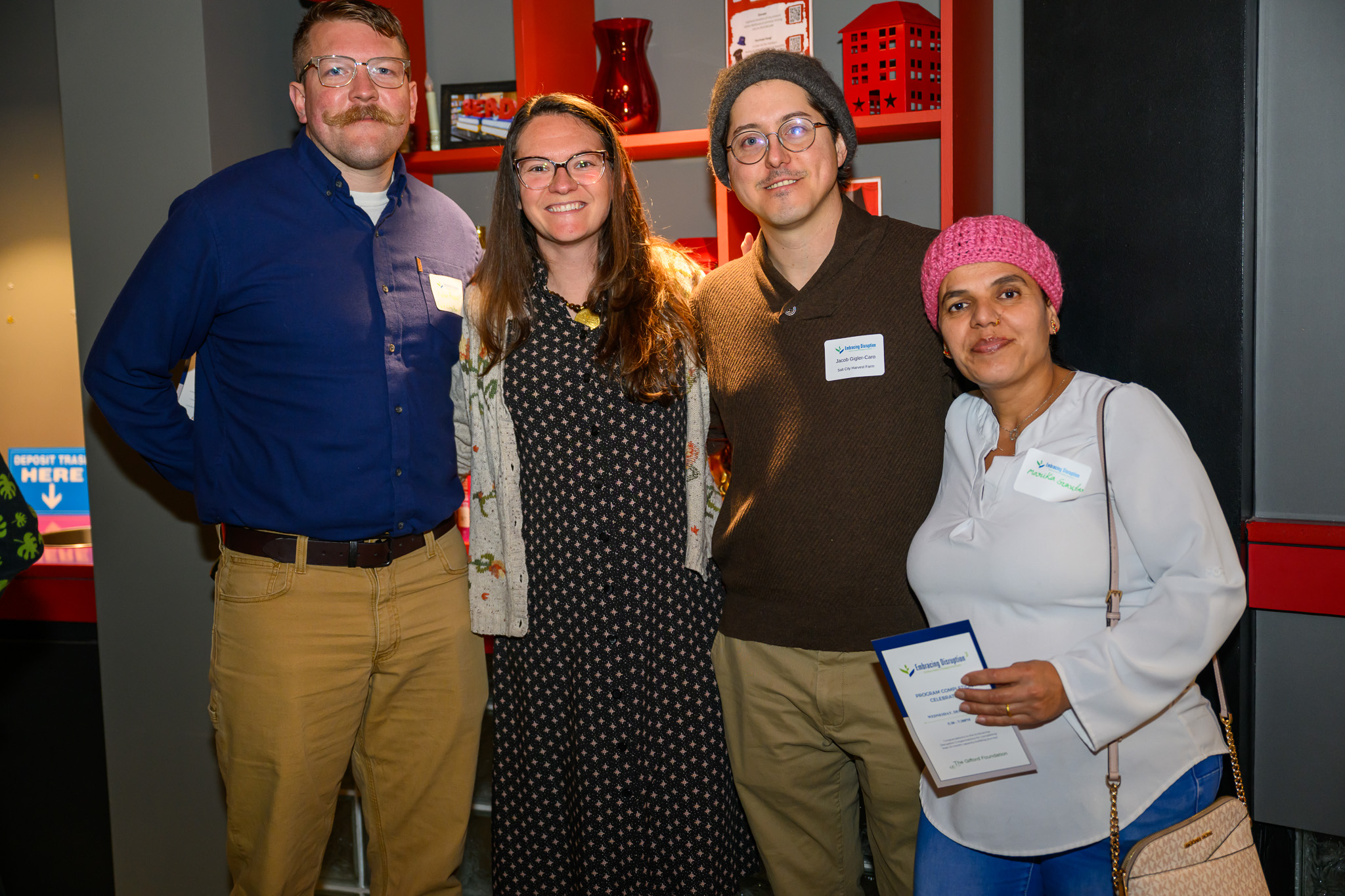
Jennifer Bonnett (Nonprofit Lifecycles Institute), Ryan Williams (Consultant), Lindsay McClung (Gifford Foundation)
The true value of Embracing Disruption lies not only in diagnosis, but in action. Working closely with their consultants, each organization made tangible progress in addressing priority areas.
As these organizations continue their work, they do so with stronger foundations, clearer priorities, and a shared understanding that capacity-building is an ongoing practice—one that strengthens both their internal health and their long-term impact in the community.
See photos from the NTL Completion Celebration below!

Is Embracing Disruption right for you?
Do you have work to do in these areas?
Management
Governance
Business Model
Administrative Systems
Ready to Make a Change?
- Learn about Nonprofit LifeCycles
- Work with a dedicated consultant
- Develope a peer support group with your cohort
- Conduct a self-assessment
- Identify areas of weakness
- Develop an action plan for strengthening these areas